Preventing falls and ageing well: how a Nurse Practitioner can help you stay independent
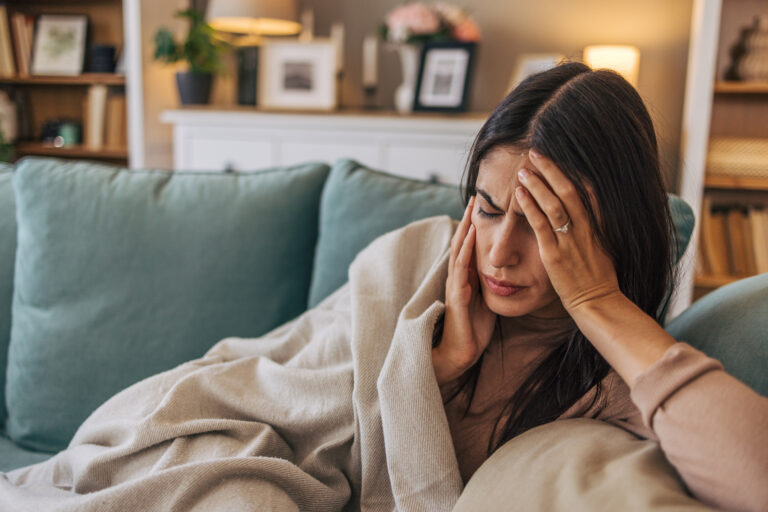
Growing older brings new opportunities, but it can also bring new challenges. One of the biggest risks to independence is a fall.1 In fact, falls are the leading cause of injury hospitalisations for older Australians and often result in loss of confidence when walking, reduced mobility, or the need for ongoing care.1 The good news is that falls are not an inevitable part of ageing.1 With the right support, you can reduce your risk and continue living life on your terms. A Nurse Practitioner can help you build a personalised plan for preventing falls and supporting healthy ageing, no matter where you live.
What to do if you’ve had a fall
If you have had a fall, try not to panic. Stay still for a few minutes and take a moment to calm yourself. Check your body and, if you are not badly injured, think about getting up slowly and carefully. Roll onto your side, move into a crawling position, and make your way to a stable piece of furniture such as a chair, sofa or bed. Use your strongest leg and arms to push yourself up and sit for a while until you feel steady.
If you cannot get up, try to reach something that can keep you warm while you wait, such as a blanket, towel or clothing. If you have a personal alarm, use it, or make a loud noise to attract attention. Call triple zero (000) for emergency help if needed.
Why falls matter
Everyday activities can pose risks as balance, vision, or strength change with age.1 Around half of all falls happen at home or close to home.1 The impact is not only physical: many older people who fall develop a fear of falling again, which may impact activity and lead to further decline.1
Falls prevention is more than avoiding injury. It is about protecting independence, staying connected, and keeping confidence in your daily routines.
Healthy ageing and fall prevention go hand in hand
Healthy ageing is about maintaining the ability to do what matters most to you, for as long as possible. Regular physical activity, good nutrition, strong social connections, and quality sleep all contribute to wellbeing and independence.2 These same factors are central to falls prevention.
Healthy habits that may be recommended for you include3-6:
- Staying active supports balance, strength, and bone health.
- Eating well helps maintain muscle mass and bone strength.
- Keeping socially connected reduces isolation and improves motivation to stay mobile.
- Good sleep and routine improve concentration and coordination.
A Nurse Practitioner can guide you through these areas and help you find the right starting point for your circumstances.
How a Nurse Practitioner can support you
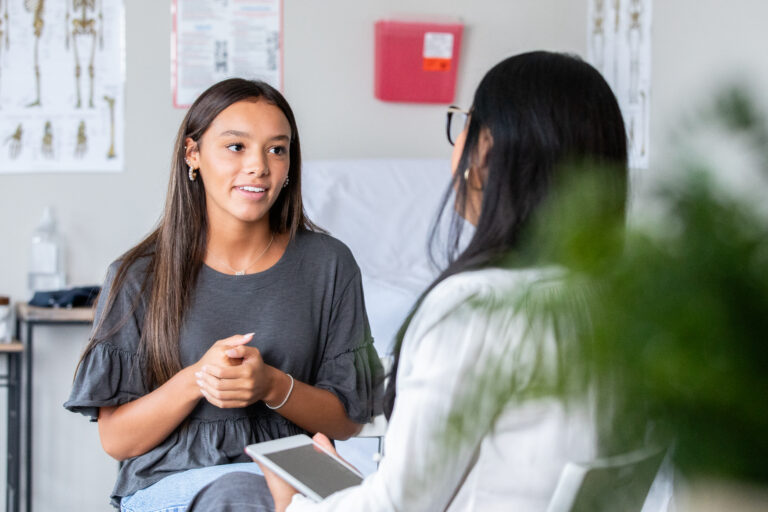
When you connect with a Nurse Practitioner by telehealth or in person, the conversation is centred on you. Together, you will look at your priorities and build a plan that feels manageable and realistic for your lifestyle. Here is how they can help:
- Personalised risk assessment
Your Nurse Practitioner will ask about your health, daily routines, and any recent falls or near misses to understand your needs.
- Medicines review
Some medicines can affect balance or alertness. A Nurse Practitioner can discuss these with you and coordinate any changes with your GP or pharmacist.
- Guidance on safe activity
Exercise is one of the best ways to prevent falls, but it needs to be right for you. A Nurse Practitioner can recommend safe starting points and connect you with suitable programs.
- Home and lifestyle advice
From footwear to lighting, small changes at home can make a big difference.
- Referrals when needed
If extra support is required, your Nurse Practitioner can connect you with the right healthcare professionals.
- Regular check-ins
Your needs may change over time. A Nurse Practitioner can review your plan, adjust it as required, and help you stay on track.
If you have already had a fall
Even if you were not injured, it is important to talk about any fall with a health professional. A fall can be a sign of a new health issue.7 Your Nurse Practitioner can review what happened, update your plan, and work with your broader care team to reduce the chance of it happening again.
Healthy ageing in everyday life
Healthy ageing is not just about falls prevention. It is about maintaining energy, purpose, and confidence across all aspects of life. A Nurse Practitioner can help you weave the following habits into your care plan:
- Nutrition for strength and energy. A balanced diet that includes enough protein supports muscle strength, while calcium and vitamin D keep bones strong.4,8 Your Nurse Practitioner can discuss food choices that are realistic for your budget, preferences, and cultural needs.
- Hydration matters. Dehydration can cause dizziness and confusion, which may increase fall risk.9 Drinking water regularly throughout the day is a simple but effective strategy.
- Sleep and routine. Poor sleep quality can reduce alertness, coordination, and mood.6 Your Nurse Practitioner can help you develop healthy sleep habits and address causes of disrupted sleep such as medicines, pain, or urinating during the night.
- Alcohol in moderation. Alcohol affects balance, judgment, and reaction time.10 Talking with your Nurse Practitioner about safe levels for you is an important part of healthy ageing.
- Staying socially connected. Social isolation and loneliness are linked to poorer physical and mental health.5 Your Nurse Practitioner may recommend local groups, classes, or programs that encourage safe social interaction alongside activity.
Each of these areas supports independence and complements the strategies to reduce fall risk.
Take the first step toward healthy ageing
Preventing falls is not about giving up independence, it is about protecting it. By making small changes now, you can stay active, confident, and connected to the things that matter most.
With the right support, you can keep doing the activities you enjoy while lowering your risk of falls. A Nurse Practitioner can help you create practical strategies that fit your lifestyle and adjust as your needs change.
Book a Nurse Practitioner appointment today to begin your personalised falls prevention and healthy ageing plan.
References:
- Australian Commission on Safety and Quality in Health Care. Preventing Falls and Harm from Falls in Older People Best Practice Guidelines for Community Care in Australia.; 2025. Accessed September 25, 2025. https://www.safetyandquality.gov.au/sites/default/files/2025-06/falls-guidelines-for-community-care.pdf
- NSW Government. Healthy ageing fact sheets and physical activity manual. Nsw.gov.au. Published 2025. Accessed September 25, 2025. https://www.activeandhealthy.nsw.gov.au/active-living/fact-sheets-and-physical-activity-manual/lang/en
- Healthy Bones Australia. Exercise & Bone Health. healthybonesaustralia.org.au. Accessed September 25, 2025. https://healthybonesaustralia.org.au/your-bone-health/exercise-bone-health/
- Queensland Health. 10 tips for looking after your bone health and density at every stage and age. Queensland Health. Published August 27, 2024. Accessed September 25, 2025. https://www.health.qld.gov.au/newsroom/features/10-tips-bone-health-density-every-stage-age
- Australian Institute of Health and Welfare. Mental health – Social isolation and loneliness. Aihw.gov.au. Published April 30, 2024. Accessed September 25, 2025. https://www.aihw.gov.au/mental-health/topic-areas/health-wellbeing/social-isolation-and-loneliness
- Health Direct. Sleep. Healthdirect.gov.au. Published November 2023. Accessed September 25, 2025. https://www.healthdirect.gov.au/sleep
- Health Direct. Older people and falls. www.healthdirect.gov.au. Published November 2023. Accessed September 25, 2025. https://www.healthdirect.gov.au/falls
- NSW Government. Bone Health.; 2025. Accessed September 25, 2025. https://cdn.activeandhealthy.nsw.gov.au/assets/Healthy-ageing-resources/Bone-health.pdf
- Health Direct. Dehydration. Healthdirect.gov.au. Published July 2024. Accessed September 25, 2025. https://www.healthdirect.gov.au/dehydration
- Australian Government Department of Health, Disability and Ageing. What are the effects of alcohol? Australian Government Department of Health and Aged Care. Published November 26, 2024. Accessed September 25, 2025. https://www.health.gov.au/topics/alcohol/about-alcohol/what-are-the-effects-of-alcohol