

Iron Deficiency Symptoms in Women: Causes, Fatigue and Treatment
Feeling tired all the time is often dismissed as part of a busy life. But when fatigue lingers, it may be a sign of something more. Iron deficiency is the most prevalent nutritional problem worldwide.1 For many women, particularly those of child-bearing age, it is an issue that deserves more attention.2
Our latest Wellness Journal explores what iron deficiency is, why it matters, how to recognise the signs, and how a consultation with a nurse practitioner can help you get answers and feel better.
Why iron matters
Iron is an essential mineral.1 Your body needs it to produce red blood cells in which iron forms part of haemoglobin, a protein in red blood cells that transports oxygen from the lungs to every cell in the body.1,2 In people with iron deficiency, reduced oxygen delivery may contribute to symptoms such as fatigue.2,3
Iron also plays a role in maintaining a healthy immune system, supporting concentration and memory, and providing the energy needed to get through the day.1 Because the body cannot make iron on its own, it must come from food or supplements.1,2
If you are concerned about your iron levels, a nurse practitioner can guide you through the steps to check your status and recommend safe treatment if necessary.
Understanding Iron Deficiency
Iron deficiency occurs when your body does not have enough iron to meet its needs.1 Over time, this can progress to iron deficiency anaemia, which may reduce the body’s ability to transport oxygen efficiently.3 Globally, iron deficiency is the most common nutrient deficiency and women are disproportionately affected.1,2
Factors that increase risk include1:
- Heavy menstrual periods which can lead to significant blood loss
- Pregnancy and breastfeeding, when the body’s need for iron increases
- Certain diets, including vegetarian and vegan eating patterns
- Digestive conditions like coeliac disease or inflammatory bowel disease that reduce absorption
- Regular blood donation or surgery involving blood loss
If any of these apply to you, speaking with a healthcare professional is a practical first step to determine whether testing is needed.
Signs and Symptoms
As iron levels drop and deficiency develops, symptoms can include1:
- Persistent fatigue and weakness
- Shortness of breath or dizziness
- Difficulty concentrating, poor memory or performing poorly at school or work
- Pale skin
- Irritability
- Decreased libido
Because these symptoms overlap with many other conditions, a health professional’s input is important. They can help assess whether iron deficiency could be the cause and if further testing is required.
When to Seek Help
If you often feel exhausted despite adequate sleep, or if you notice other signs such as heavy periods, breathlessness, or frequent illness, it is worth booking a consultation.
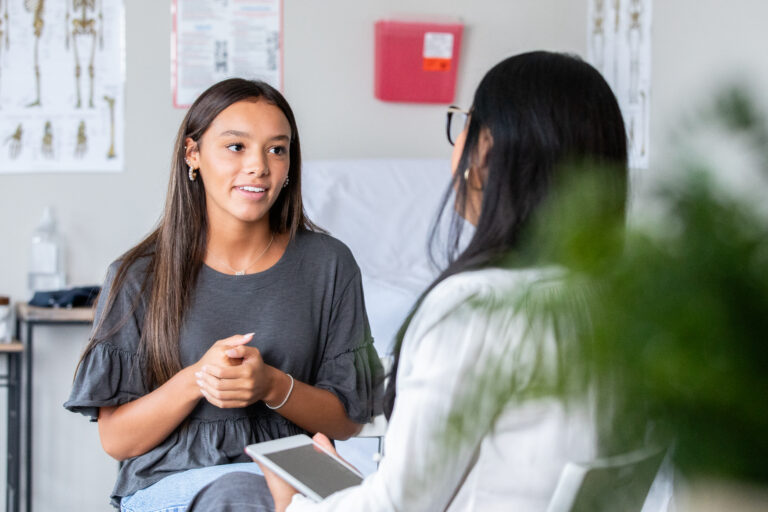
Through a telehealth or in person consultation, a healthcare professional can review your symptoms, organise appropriate blood tests, and develop a plan. This makes it easier to take action even if you are busy, live in a rural area, or prefer care from home.
Diagnosing Iron Deficiency
The only way to confirm iron deficiency is through a blood test.1 If low iron is confirmed, further tests may be needed to find the underlying cause. Your healthcare professional can arrange these tests and, if required, refer you to other members of your healthcare team for further investigation and management.
Treatment Options
The right treatment will depend on the cause and severity of the deficiency, and it is important to follow the advice of your healthcare team. Too much iron can be harmful, so taking supplements without professional guidance is not recommended.1
- Dietary changes1,4: Increasing intake of iron-rich foods can help. Haem iron, found in red meat, poultry, and fish, is absorbed most easily. Non-haem iron from plant foods such as legumes, leafy greens, nuts, and fortified cereals can also contribute. Pairing plant-based iron with vitamin C-rich foods (like citrus fruits, tomatoes, and capsicum) helps absorption. A healthcare professional or accredited dietitian can give personalised advice on diet and nutrition.
- Iron supplements1: If diet alone is not enough, a healthcare professional may recommend iron tablets or liquid supplements. These usually need to be taken for several months. Side effects such as constipation or dark stools are common, but support is available to manage them.
- Iron infusions1: In some cases, where oral supplements are not tolerated or deficiency is severe, a nurse practitioner may recommend referral for an iron infusion delivered directly into the blood stream.
Follow-up blood tests arranged via telehealth or in person help ensure your iron levels are improving and that treatment is safe and effective.
Living with Iron Deficiency
Iron deficiency can be frustrating, especially if fatigue impacts work, study, or family life. With the right treatment, most people see significant improvements in their energy and wellbeing within several months.
Ongoing support from your healthcare team can help you manage symptoms and monitor recovery. They can track your progress, provide practical strategies, and adjust your care plan as needed.
Prevention and Everyday Strategies
Not all cases of iron deficiency can be prevented, but many can. Practical steps include1:
- Eating a variety of iron-rich foods every day
- Combining plant-based iron sources with foods high in Vitamin C
- Avoiding tea, coffee, or calcium-rich foods at the same time as iron-rich meals, as these can reduce absorption
- Speaking with your healthcare team before taking any supplements
Pregnant women, people with heavy menstrual bleeding, and those on vegetarian or vegan diets may particularly benefit from regular monitoring and professional guidance.
Complications if Left Untreated
When iron deficiency is not addressed, it can progress to anaemia.3 In more severe or prolonged cases, this may cause symptoms such as chest pain or heart palpitations and rarely cardiac complications.3 During pregnancy, iron deficiency anaemia increases the risk of premature birth and low birth weight.3 In children, it can affect growth and development.3
The good news is that early detection and treatment with the guidance of a nurse practitioner can prevent these complications.
Take the Next Step
Feeling tired all the time should not be dismissed as normal. Iron deficiency is common, treatable, and important to address for long-term health.
If you are experiencing persistent fatigue, a healthcare professional can review your symptoms, arrange testing, and discuss appropriate management options. Telehealth and in-person consultations both offer convenient ways to access care, depending on your needs and preferences.
Take a moment to prioritise your wellbeing and seek professional advice if symptoms persist.
This content is general in nature and does not replace individual medical advice. Always consult a qualified healthcare professional before starting or changing treatment.
References:
- Health Direct. Iron deficiency. www.healthdirect.gov.au. Published April 2025. Accessed September 30, 2025. https://www.healthdirect.gov.au/iron-deficiency
- Burns JL, Miller CH, Fontaine-Bisson B, Connor KL. Iron deficiency and iron deficiency anaemia in women of reproductive age: Sex- and gender-based risk factors and inequities. Journal of Trace Elements in Medicine and Biology. 2025;90:127684. doi:https://doi.org/10.1016/j.jtemb.2025.127684
- Health Direct. Anaemia. Healthdirect.gov.au. Published November 2024. Accessed September 30, 2025. https://www.healthdirect.gov.au/anaemia
- Health Direct. Foods High in Iron. Healthdirect.gov.au. Published April 2025. Accessed September 30, 2025. https://www.healthdirect.gov.au/foods-high-in-iron