
Strong Bones, Less Fractures: Your Telehealth Guide to Bone Health and Osteoporosis
Keeping your bones strong is a lifelong investment. This guide explains what healthy bones look like, who is at risk of osteoporosis, and the practical steps you can take today. If you want tailored advice or a check of your personal risk, you can book a telehealth appointment with a nurse practitioner at any time.
Urgent care: if you have fallen and are in significant pain or cannot use a limb, you may have a fracture that needs urgent attention. If you cannot access urgent care, call triple zero (000) and ask for an ambulance.
What makes bones “healthy”?
Healthy bones are dense, resilient and continuously renewing.1 Bone tissue is living tissue that breaks down and rebuilds across your life.1 Through childhood and adolescence you build bone, then from your thirties the body slowly loses more bone than it replaces.1 Over time, this imbalance leads to bones becoming weaker.1
Why bone health matters
Your skeleton supports movement and protects vital organs.1 When bones lose density they become fragile.1 A minor bump or simple fall can then cause a fracture, which may mean pain, time off work and potentially a loss of independence.1 Osteopenia is an early drop in bone density whereas osteoporosis is a more advanced loss of density that makes fractures more likely.1,2
Signs your bones need attention
You may not notice bone loss until a fracture occurs, but warning signs can include1:
- Loss of height or a stooped posture
- Unexplained back pain
- A fracture from a small fall or minor injury
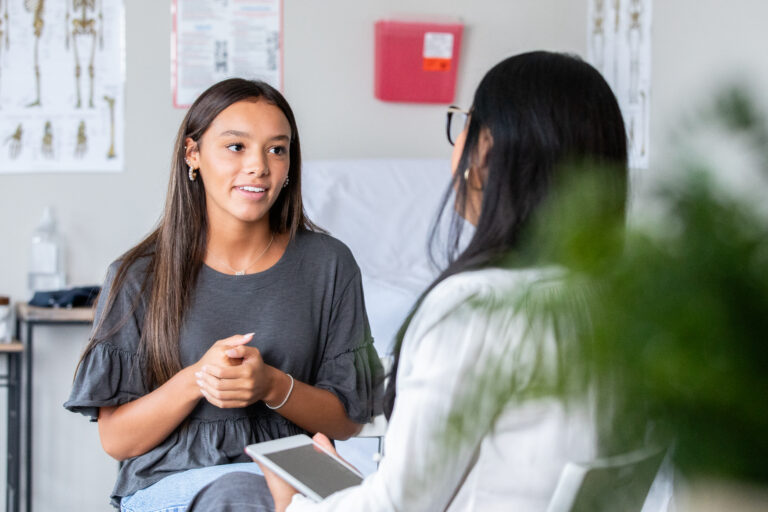
If you think you have experienced any of the above, book a telehealth appointment with a nurse practitioner to discuss next steps.
Who is at higher risk?
Bone health can be affected by medical conditions, medicines and lifestyle factors. Risks include1-3:
- Being female, aged 70 years or older, being post-menopausal (or having reach menopaused before 45 years), a family history of osteoporosis
- Conditions such as HIV, diabetes, rheumatoid arthritis, thyroid or parathyroid problems, coeliac disease, kidney or liver disease
- Long courses of glucocorticoids and some cancer or epilepsy treatments
- Smoking, high alcohol intake, low physical activity, low calcium and protein intake, low vitamin D
A previous low-impact fracture raises the chance of another fracture.2 Early assessment and treatment reduces that risk.2
Daily actions that protect your bones
Calcium and protein in your diet
Calium is essential for building and maintaining bone health throughout life.2 Aim to eat three serves of calcium-rich foods every day.1 Dairy foods like milk, yoghurt and cheese are excellent options.1 Calcium is also found in firm tofu, canned salmon or sardines, almonds, sesame or tahini, and leafy greens such as bok choy or kale.1,2 Most adults need about 1,000 mg calcium a day.2 Women over 50 and men over 70 often need about 1,300 mg.2 Protein supports both muscle and bone, so include a mix of animal and plant proteins across your meals.1
Vitamin D
Vitamin D helps you to absorb the calcium found in food and plays a role in supporting the growth and maintenance of the skeleton.1,2 Sensible sun exposure is the main source for many Australians, and small amounts are found in foods like eggs, liver and oily fish.1,2 If you are indoors most of the time, cover your skin for cultural or medical reasons, or have darker skin, you may be at higher risk of low vitamin D.2 Supplements can help when needed.1 A nurse practitioner can arrange a blood test to check your levels and advise on safe dosing.
Move with impact, strength and balance
Not all exercise is equal for bones. A combination of different types of exercise across the week works best1,2:
- Weight-bearing exercise is a good way to keep or increase your bone density. This is exercise done while on your feet bearing your own body weight. Examples include brisk walking, stair climbing, jogging or skipping
- Resistance (strength) training that progressively challenges your muscles using weights or bands. Training should increase in intensity over time.
- Balance and coordination exercises to reduce falls which can lead to fractures, such as single-leg stands or direction-change challenges
Aim for resistance training two to three times a week with at least one day of rest between sessions.1 If you have osteoporosis or are recovering from a fracture, seek a personalised plan from a physiotherapist or exercise physiologist.2
Stopping smoking and moderating alcohol
Smoking, and even if you’ve already given up, can contribute to weaker bones making fractures more likely.1 Drinking to excess, such as more than 10 drinks per week or drinking daily also raises your risk of broken bones.1 Choosing to stop smoking and keeping alcohol within safe limits are two of the most effective steps you can take to support stronger healthier bones.1
Screening and diagnosis
A bone density scan can show whether your bones are in the normal range, in the osteopenia range or in the osteoporosis range.2 Scans are simple and quick and recommended for all people aged 70 and older.2,3 You might also need blood tests, for example to check vitamin D or other factors that affect bone health.2 A telehealth nurse practitioner can assess your fracture risk, request appropriate tests, and provide referrals for imaging or specialist review when needed.
Treatment options if you have osteoporosis
Treatment plans often combine lifestyle measures and medicines. The goal is to strengthen bone and prevent falls and fractures.3 Your plan will be based on your age, sex, medical history, bone density results and your risk of experiencing another fracture.3 A nurse practitioner can assist with assessing your bone health, help establish a treatment plan if necessary, and connect you with other health professionals for ongoing support.
Preventing falls
Stronger bones help, but fall prevention is essential. Practical steps include reviewing your medicines, checking your eyesight, wearing supportive non-slip shoes, using rails and walking aids if needed, and doing targeted balance training.3 A telehealth nurse practitioner can discuss home safety and provide exercise guidance or refer you to allied health providers.
When to seek help
Book a telehealth appointment with a nurse practitioner to discuss your bone health if you:
- Have previously fractured a bone from a minor fall or bump
- Notice height loss, a curved posture or persistent back pain
- Are aged 70 or over
- Are over 50 and unsure about your bone health
- Have a family history of osteoporosis
- Spend most days indoors or keep your skin covered outdoors
- Take long-term glucocorticoids or other medicines that affect bone
During your consult you will receive a personalised risk assessment, support to improve diet and activity, smoking cessation and alcohol advice if relevant, referrals for scans or specialists when indicated, and prescriptions or pathology tests if appropriate.
Ready to take action? Book a telehealth appointment with a nurse practitioner today and get a clear plan to protect your bones. future.
References:
- Health Direct. Healthy bones. www.healthdirect.gov.au. Published March 2025. Accessed September 2, 2025. https://www.healthdirect.gov.au/healthy-bones
- Health Direct. Osteoporosis. Health Direct. Published March 2025. Accessed September 3, 2025. https://www.healthdirect.gov.au/osteoporosis
- Healthy Bones Australia. Bone Health Explained 4th Edition.; 2024. Accessed September 3, 2025. https://healthybonesaustralia.org.au/wp-content/uploads/2024/12/hba-consumer-guide-04-12-24.pdf
PRESCRIPTION-004474